

5 things you didn’t know about ozone as a disinfectant
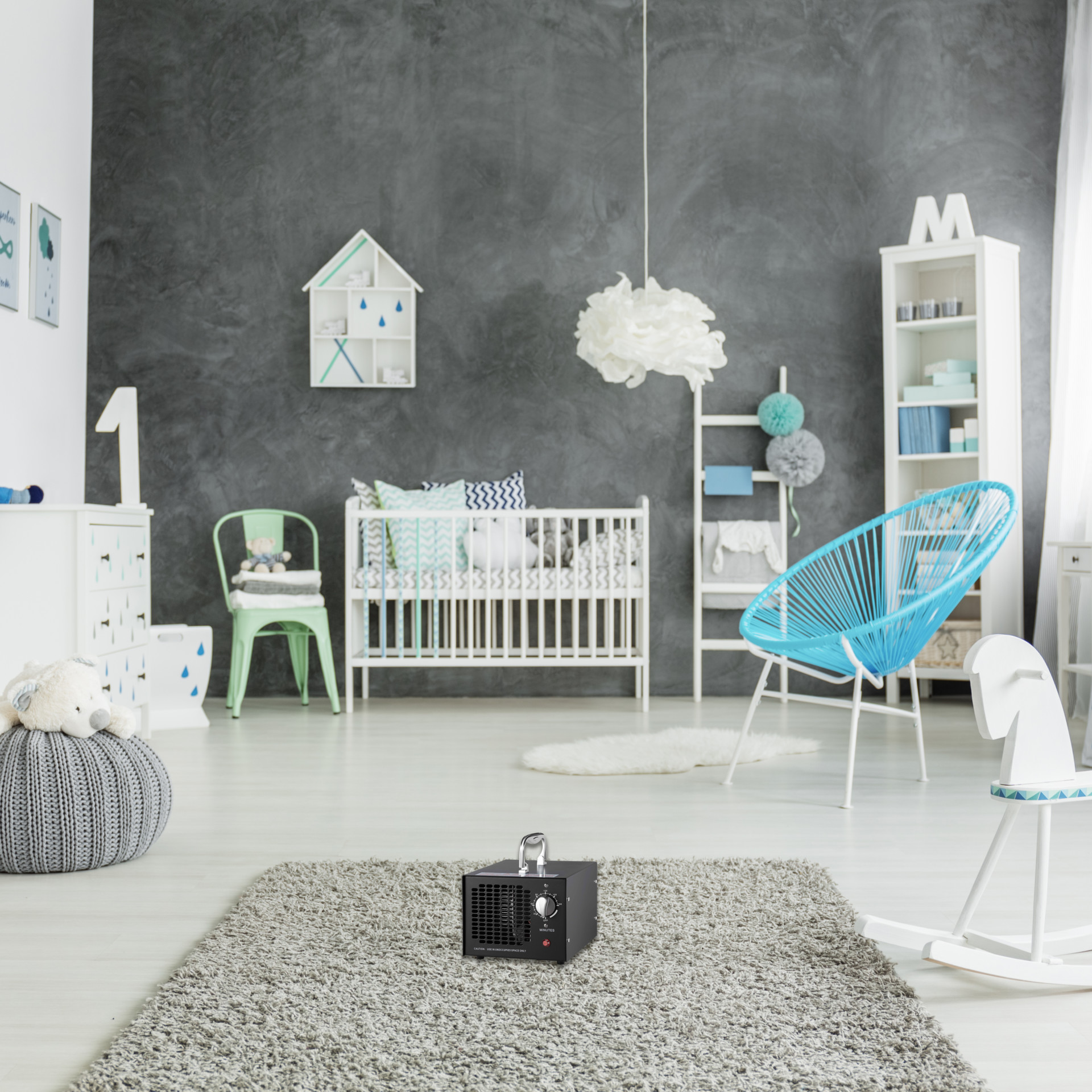
1. Eliminates unpleasant odors from the room it disinfects: hospitals, private homes, hotels, bars, and restaurants…
2. Operating rooms have been using it for more than 20 years, as it reduces bacterial load. It is also used in other areas of the hospital environment to disinfect them: in cleaning rooms occupied by patients with infectious diseases, autopsy rooms, etc.
3. Eliminates microorganisms and pathogens: There is evidence that ozone can eliminate viruses similar to the one that causes COVID-19, but there are still no conclusive studies on this. It is also a great help against certain types of allergies.
4. There are several types of ozone generators to adapt to the needs of each facility. Some are fixed, wall-mounted, and others are portable, such as the BTV ozone cannons. These are available in Z3000 and Z5000. 5. I have an ozone generator. How can I calculate the amount of ozone needed to disinfect a room? Just perform a few simple calculations:
– The first thing we need to do is calculate the volume of the room we want to disinfect (width x length x height).
– There are coefficients that indicate the level of bacteria a room can contain depending on its conditions and location. This must be taken into account when evaluating the amount of ozone needed to disinfect it. Disinfecting a bathroom in a nightclub is not the same as disinfecting a living room in a private home. The former will presumably have a much higher number of bacteria than the latter.
– Multiplying this coefficient by the volume of the room (m3) and by the amount of ozone that the device manufacturer estimates is needed to disinfect that room (min/m3) would solve the problem.
More information www.btv.com

EC International Group: excellence in prototyping and small-batch production, from metal to plastic
EC International Group: Excellence in Prototyping and Small-Series Production, from Metal to Plastic In an industrial environment that increasingly demands performance, agility, and quality, combining
On the sofa with… Eduardo de la Guerra – Project Manager at Talgo in the Innovation Department | Talgo
On the sofa with… Eduardo de la Guerra – jefe de proyectos en talgo en la dirección de innovacion | Talgo
On the sofa with… Silvia Leal
On the sofa with… Silvia Leal, Experta en Tendencias de Futuro & Inteligencia Artificial, Asesora de OCDE & UE, Keynote Speaker
Behind the innovations: Jaime Ruesca, CEO de PRISMACIM
Jaime Ruesca – CEO Prismacim 1. What motivated you to start developing this product? At Prismacim, we contribute to the development of innovative products in


